First Kettle, Last Lead: Twenty-Four Hours on One Street
The van was parked by half five. The street was still doing its early sounds: a boiler clicking on, a gate that needs oiling, the first van of the day reversing somewhere out of sight. At Cottage Road Studios we usually turn up with a reason — a family, a brand, a campaign with a shot list and a coffee order. This time we had a street, a day and a simple brief: photograph what happens when nobody is performing for us.
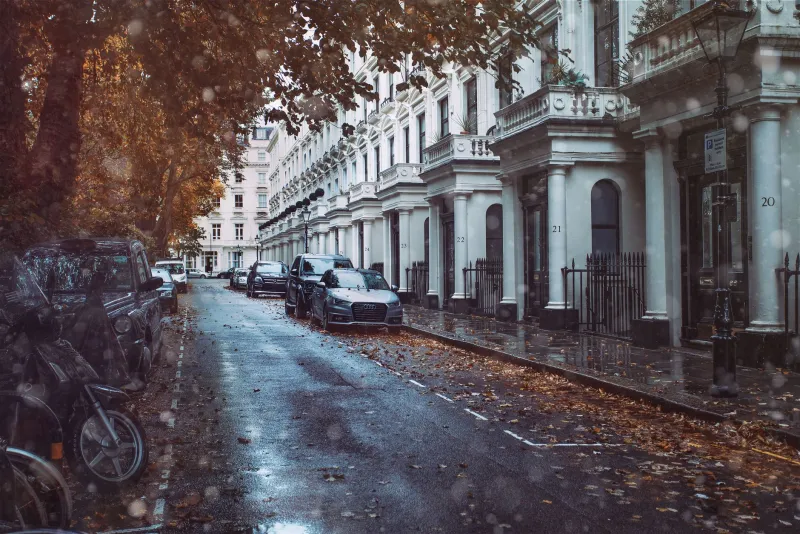
Earlier this month we spent a full day on one ordinary UK terrace, from the first kettle to the last dog walk. Not a heritage street. Not a film set. Just a road with wheelie bins, a corner shop, a bus stop and enough damp in the air to make the pavements shine. The plan was to treat the whole day as a production diary and see what a hyper-local day-in-the-life shoot could become.
Before the Bins Go Out (05:40–07:00)
The first useful light does not arrive in a hurry in November. Before sunrise, the street belongs to windows: kitchens glowing, landing lights clicking on, a shape moving past a curtain. We shot wide, then tighter, exposing for the highlights and letting the interiors stay warm. Wet tarmac did the rest. Rain is not always a production problem; on a street like this it is a free lighting rig.
Permissions matter more than people think. We wrote to the council, but the real work was knocking on doors the week before. A clipboard, a pocketful of postcards explaining who we were, and a clear way to opt out. On the day itself we introduced ourselves to anyone who looked unsure and kept a respectful distance from children and anyone who had not said yes. A street is not a backdrop you can borrow without asking.
The School Run Is Not a Backdrop (07:45–09:00)
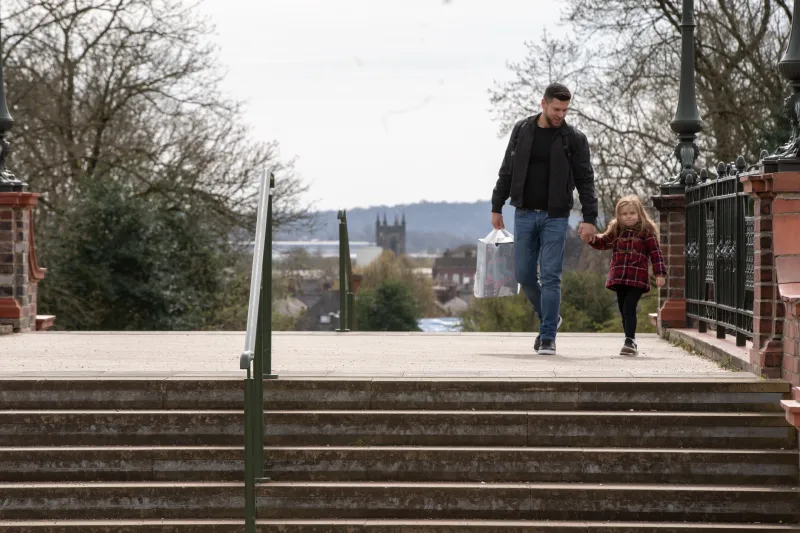
The temptation is to chase the school run for big expressions. We did not. We stood back, used a longer lens and photographed the edges: a scooter left by a gate, a parent balancing a bag and a coffee, the little knot of people at the bus stop. The best frames came between tasks, when nobody was doing anything for the camera.
This is the part brands often miss. Authentic community storytelling is not a filter or a colour grade. It is time, permission and a willingness to be bored. You cannot schedule a street to look lived-in. You can only turn up early enough and stay long enough for it to forget you are there.
Midday Lull, Corner Shop Rhythm (11:30–14:00)
By late morning the light went flat and hard, so we moved into shade and doorways. The corner shop became the centre of the day: a delivery, a chat about the weather, someone buying a single onion and a lottery ticket. Shopkeepers are often the best gatekeepers on a street. We asked first, bought something, and stayed out of the way of the till.
Wet pavements gave us reflections of shop signs and passing buses. We kept a lens cloth in one pocket and a waterproof cover in the other. No flash, no reflectors, no rearranging the fruit. The discipline was simple: photograph the rhythm, not the props.
The Three O'Clock Dip and the Light That Saves You (15:00–16:30)
There is a point in a November shoot when the day feels done. Then the light turns. Four o'clock arrives like a small gift: low, golden, catching brickwork and the tops of bins. We used it for doorstep portraits and the first dog walkers of the evening. People were tired, which is often when they look most like themselves.
We did not ask anyone to laugh at a bin or walk past a wall twice. If a frame needed directing, we let it go. The street had enough going on without us adding a performance.
Tea, Bins and the Last Lead (17:00–19:30)
After sunset the street changed key. Windows became screens again, streetlights buzzed on, and the last dog walk of the evening passed under a sodium glow. We photographed feet, leads, gates and the blue-hour sky between chimney pots. By half seven the road was quiet enough to hear a telly through a wall.
A street photographed once is a location. Photographed across a day, it becomes a place. That is the archive value. Families move. Shopfronts change. The bus stop gets replaced. A set of ordinary frames from one ordinary day can end up being the most useful record a neighbourhood has.
What We Learned (and What Brands Can Borrow)
A dawn-to-dusk street shoot is not complicated, but it is not quick. It needs door-knocking, patience, wet-weather gear and a plan that can bend. For brands chasing authentic UK street storytelling, the template is less about cobbles and corner shops and more about respect: ask first, stay quiet, photograph the in-between moments, and let the place lead.
If we did it again, we would do three things the same way. We would keep the crew small. We would leave the shot list at home. And we would start before the first kettle, because that is when a street is most honestly itself.